
Reasons for Dental Implant Failure
Can Dental Implants Fail?
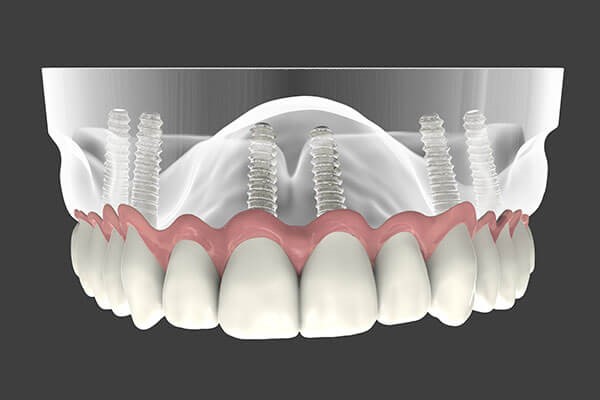
Can Dental Implants Fail?
The purpose of dental implants is to preserve the aesthetic appearance of teeth and restore their functional use for chewing, swallowing, and more. In some cases, dental implants may be improperly and unprofessionally installed, leading to implant failure, which can be considered a failed implant. However, the reasons for implant failure are not limited to improper installation; if proper care is not taken post-implantation, the implant can fail. It is important to note that implant failure or malfunction is mostly associated with the implant base or fixtures. Issues with the abutment or crown that require repair are not typically considered implant failures.
Reasons for Dental Implant Failure
Various factors and conditions can lead to dental implant failure. However, if these potential issues are thoroughly evaluated by a specialist and taken into account during implantation, the risk of failure significantly decreases. Nonetheless, dental implants can fail due to the following reasons:
Infection
One major reason for implant failure is infection. If an implant becomes infected, the bond between the jawbone and the implant base will not form correctly, resulting in a failed implant.
Sensitivity to Implant Material
A rare number of implant patients may be allergic to metals, including titanium. Since implant bases are typically made of titanium, this can lead to unsuccessful implantation. In such cases, zirconium-based implants can be used.
Pre-existing Health Conditions
Inform your dentist of any pre-existing health conditions and medications before undergoing implant surgery. Conditions such as cancer, osteoporosis, and diabetes can reduce the success rate of dental implants.
Inadequate Jawbone Structure
For the implant fixture to be placed properly, the jawbone must have sufficient space. If the jawbone structure is unsuitable, the implant may fail in the long or short term.
Poor Post-treatment Care
Proper care post-implantation is crucial for the correct and timely bonding of the implant with the jawbone. This includes avoiding smoking and certain medications. Neglecting these can lead to implant failure.
Excessive Pressure on the Implant Base
If excessive pressure is applied to the implant base, it may break, become loose, or dislodge, resulting in implant failure and necessitating repair or replacement.
Symptoms of Dental Implant Failure
As discussed earlier, dental implants may fail for various reasons. Here are some symptoms that indicate potential implant failure:
- Persistent unnatural pain 2 to 4 weeks after implantation.
- Unnatural infection or swelling of the gums.
- Allergic reactions, such as fever, chills, or loss of taste, potentially due to titanium sensitivity.
- Formation of depressions around the gum and the appearance of a longer implant crown.
- Difficulty in chewing.
- Bad breath.
- Loose or wobbly implant base.
By understanding these factors and symptoms, patients and practitioners can better manage and mitigate the risks associated with dental implants. Proper care, accurate diagnosis, and professional expertise are critical in ensuring the long-term success of dental implants.
Ways to Prevent Dental Implant Failure
- Proper Oral Hygiene: Brush your teeth twice a day, use dental floss, and alcohol-free mouthwash.
- Regular Check-ups: Schedule regular check-ups with a dental specialist every 3 to 6 months.
- Healthy Diet: Maintain a diet that supports gum and jawbone health, such as consuming fish, eggs, and dairy products.
- Avoid Hard Foods: Refrain from eating hard foods like candies.
Is a Dental Implant a Permanent Solution?
In general, dental implants are considered a permanent solution. If performed correctly and followed by proper post-operative care, dental implants can last up to approximately 20 years. The titanium bases of dental implants are placed within the jawbone similarly to natural teeth, providing long-term functionality and durability.
Treatment for Dental Implant Failure
As a permanent method to replace missing teeth, dental implants require proper care to avoid damage. If the crown or implant cap gets damaged, it can be easily repaired or replaced by a specialist. However, if the issue lies with the implant base or fixtures, the situation becomes more complex. For example, if the damage is accompanied by an infection, the infection must first be treated before replacing the fixture. All procedures should be conducted under the supervision of a dental specialist, considering the condition of the jawbone, gums, and patient's recovery process.
Conclusion
Dental implants are a permanent and non-invasive method for restoring damaged or missing teeth. Certain conditions and factors may threaten the permanence of implants. If you are considering dental implants, it is crucial to consult a specialized and professional dentist. Adhere to the post-operative recommendations from your dentist to ensure the longevity and durability of your dental implants.
