
When Violence Leaves No Visible Mark: The Health Consequences of Psychological Harm.
Not all forms of violence leave a visible injury. Repeated humiliation, intimidation, verbal abuse and the erosion of psychological safety can affect mental well being, physical health and quality of life, making violence an issue that extends well beyond physical harm.
378512.mp3
When Violence Leaves No Visible Mark: The Health Consequences of Psychological Harm.
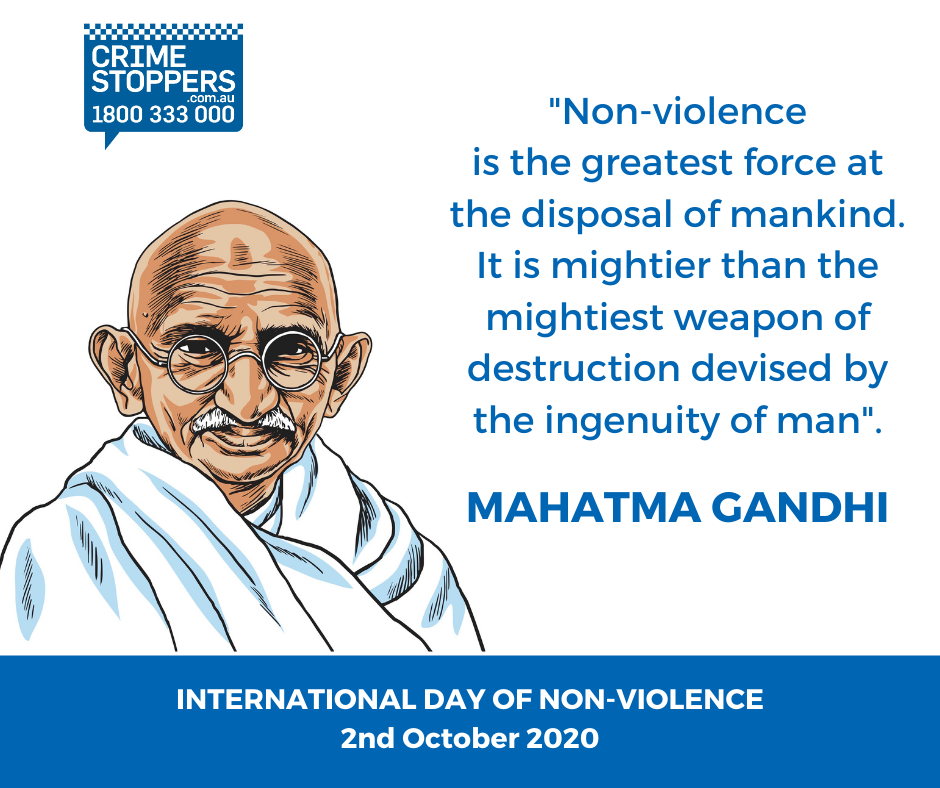
October 2, World Non-Violence Day, marks the birth anniversary of Mahatma Gandhi and offers an opportunity to look beyond the most visible forms of violence and consider the less apparent ways in which harmful behaviour can affect health.
Violence is often recognised when it results in a physical injury. Yet health is not defined solely by the absence of physical illness. The World Health Organization (WHO) describes health in terms of physical, mental and social well being, placing psychological security and social conditions within the broader picture of health.From this perspective, persistent fear, humiliation, intimidation or emotional abuse are not simply interpersonal problems. When experienced repeatedly, they can become significant sources of psychological stress and may influence a person’s health and everyday functioning.
The Impact of Violence May Not Always Be Visible
Physical injuries may be easier to identify, but psychological forms of violence can be considerably more difficult to recognise both by others and by the person experiencing them.Controlling behaviour, repeated verbal aggression, threats, humiliation & the constant feeling of being unsafe may gradually affect emotional well being. Over time, such experiences can be associated with anxiety, depressive symptoms, sleep disturbances and trauma related responses, while prolonged psychological stress may also be reflected in physical complaints.Sepideh Khassetarash, MSc in Health Psychology at Firouzabadi Hospital, noted that people do not always connect these symptoms with the environments or relationships in which they occur.“Some people avoid talking about psychological distress because they are afraid of being judged, feel ashamed or believe that what they have experienced is not a medical concern,” she said. “However, symptoms such as recurrent headaches, chronic pain, sleep problems or changes in mood and behaviour may sometimes be linked to prolonged exposure to stressful and unsafe circumstances.”Recognising this connection can be an important first step towards seeking appropriate support.
Preventing Harm Is Not the Same as Avoiding Conflict
A violence free relationship does not mean a relationship without disagreement. Conflict is a normal part of human interaction; the way it is handled is what can determine whether it becomes constructive or harmful.Khassetarash emphasised the importance of communication and emotional regulation in this regard.“Non-violence does not mean suppressing anger or pretending that disagreements do not exist,” she said. “It means learning how to express anger, manage emotional reactions, respect boundaries and address disagreements without causing harm.”Developing these skills can help reduce impulsive responses and prevent repeated patterns of hostility from becoming part of everyday relationships. Clear communication, healthy boundaries and the ability to regulate intense emotions can therefore have a role not only in healthier relationships, but also in protecting psychological well being.
Where Healthcare Meets the Social Reality of Patients
The consequences of violence can also present themselves within healthcare settings, sometimes without being immediately recognised as such.According to Khassetarash, providing comprehensive care requires healthcare professionals to look beyond the symptoms that bring a patient to the hospital and, when appropriate, consider the psychological and social circumstances surrounding those symptoms.“The role of healthcare professionals is not limited to treating visible injuries,” she said. “Listening without judgement and recognising when someone may need psychological or social support are also important aspects of comprehensive care.”For patients who have lived with violence or persistent psychological insecurity, being heard in a safe and non judgemental environment can be an important part of the process of seeking help.
Psychological Safety Is Part of Health
Building safer environments is not solely a clinical responsibility. The language used within families, workplaces and communities, the way disagreements are handled and the extent to which individual boundaries are respected can all influence psychological safety.“A culture of peace is built through everyday interactions,” Khassetarash said. “People need to feel that they are seen, heard and able to live without constant fear or threat.”World Non-Violence Day therefore offers an opportunity to reconsider what violence looks like in everyday life. Some forms leave bruises; others leave no visible mark at all. Recognising both is essential to understanding violence not simply as a social problem, but as an issue with consequences for mental health, physical well being and the wider health of society.
Niafam Copy:

comment