
HPV: What a positive test means and why it does not mean cancer!
An HPV-positive result can raise immediate concerns about cancer, but understanding what the test actually shows can help people approach screening, prevention and follow-up with greater confidence.
378004.mp3
HPV: What a positive test means and why it does not mean cancer!
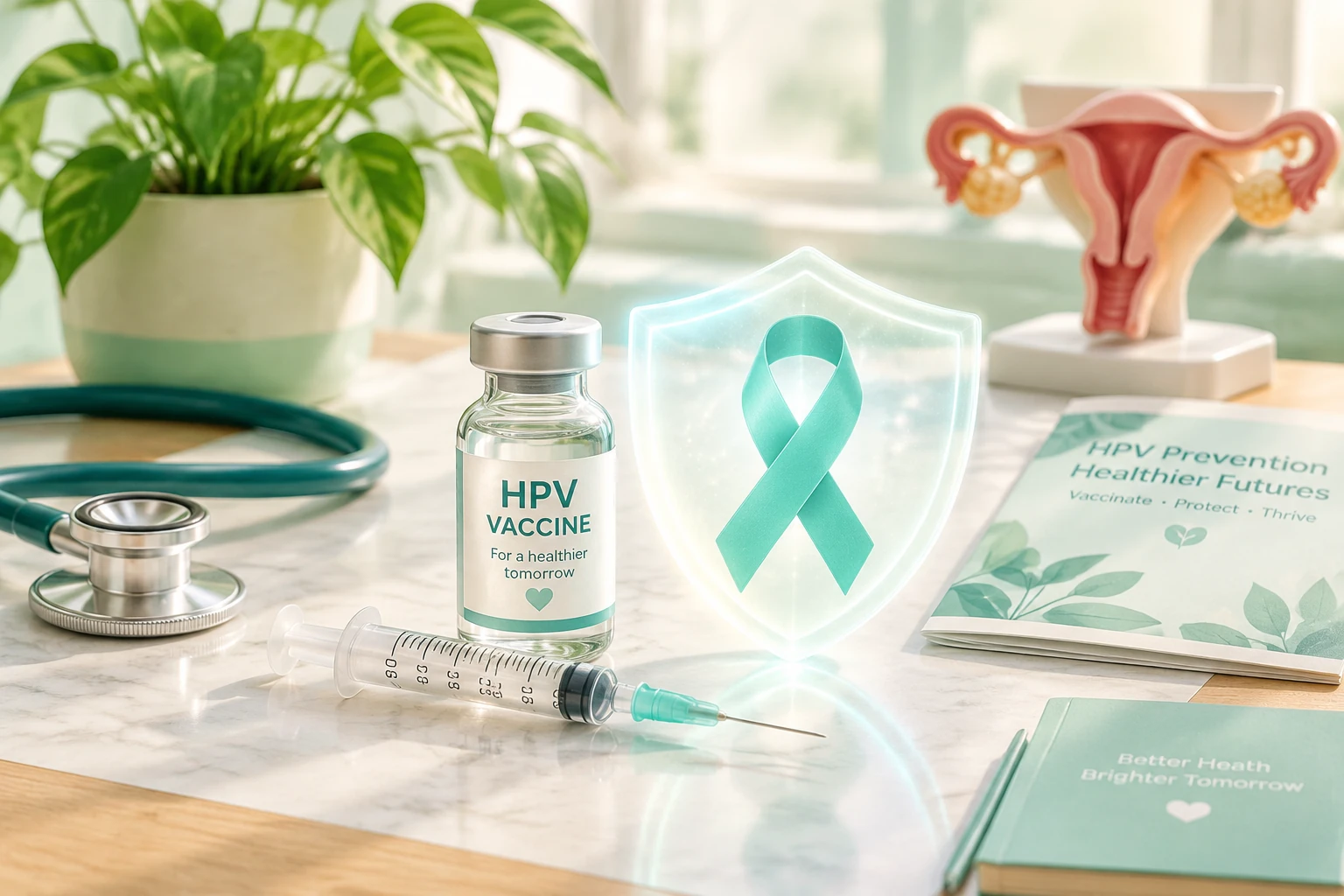
For many people, seeing “HPV positive” on a test result can be alarming. The association between human papillomavirus (HPV) and cervical cancer can make a positive result feel like a diagnosis of something far more serious. In reality, the two are not the same.
HPV is a very common viral infection. While some high-risk types can persist and, over time, contribute to changes that may lead to cervical cancer, many HPV infections are controlled naturally by the immune system.D.r Samaneh Saghefian Larijani, obstetrician and gynaecologist at Firouzabadi Hospital, said the first step after receiving a positive result should be understanding what it means.“An HPV-positive test does not mean that someone has cancer,” she said. “HPV is common and can be present without any symptoms, visible lesions or genital warts. In many cases, the immune system is able to control the infection.”
A positive result does not show when the infection occurred
One of the most difficult questions for people receiving an HPV diagnosis can be when they acquired the infection. D.r Saghefian explained that the test cannot provide an exact answer.HPV can remain undetected for a long period before it is identified. As a result, a positive test does not necessarily indicate a recent infection.“This is an important point when discussing HPV with patients,” she said. “The result alone cannot establish when the virus entered the body and should not be used as a reason for blame or suspicion within a relationship.”However, the absence of immediate cancer does not mean that follow up can be ignored. Persistent infection with certain high risk HPV types can increase the risk of cervical cancer, making recommended screening and clinical follow up an essential part of prevention.
Vaccination and screening work together Prevention begins well before an HPV infection is identified. Vaccination can help protect against HPV types associated with cervical cancer and a number of other HPV related cancers.D.r Saghefian said vaccination is most effective when given before exposure to HPV and is recommended for both girls and boys.
Adults may also benefit from vaccination depending on their individual circumstances and medical advice.The vaccination schedule depends on the age at which it is started. People beginning vaccination between the ages of nine and 14 generally require two doses, while those starting at age 15 or older generally require three. three dose schedule is also generally used for people with certain conditions affecting the immune system.The vaccine is preventive, not a treatment for an existing HPV infection.
It therefore does not replace cervical screening or routine medical follow up.Maintaining overall health through regular physical activity, a balanced diet and effective stress management can also support general wellbeing and immune function.
Looking beyond the medical diagnosis For some people, the most immediate impact of an HPV diagnosis is psychological rather than physical.Sepideh Khasseh Tarash, MSc in Health Psychology at Firouzabadi Hospital, said the way people respond to a diagnosis can be shaped by the meanings they attach to HPV.“HPV is not simply a medical issue,” she said. “Because it is often associated with cancer, sexual health and social stigma, receiving a positive result can lead to anxiety, shame, guilt or difficulties in relationships.”These reactions can also influence health behaviour. Fear and misinformation may cause some people to postpone screening, avoid follow up appointments or delay seeking professional advice.“Accurate information can help people separate an HPV infection from the fear of cancer,” Khasseh Tarash said. “When conversations are supportive and free from judgement, people are more likely to feel safe discussing their concerns and continuing with the care they need.”
For someone receiving an HPV positive result, the next step is therefore not to assume the worst, but to understand the result, follow appropriate screening and medical advice, and consider vaccination where recommended. Clear information and supportive communication can turn a potentially frightening diagnosis into an opportunity for informed prevention and ongoing care.
Niafam Copy:

comment