
Beyond Ageing: Recognising Sarcopenia and Muscle Weakness in Older Adults
Muscle weakness and declining mobility should not automatically be regarded as a normal part of ageing, Dr Maryam Nik-Soult, Associate Professor of Geriatric Medicine at Iran University of Medical Sciences, has said, highlighting the importance of recognising sarcopenia early to help older adults remain independent and active
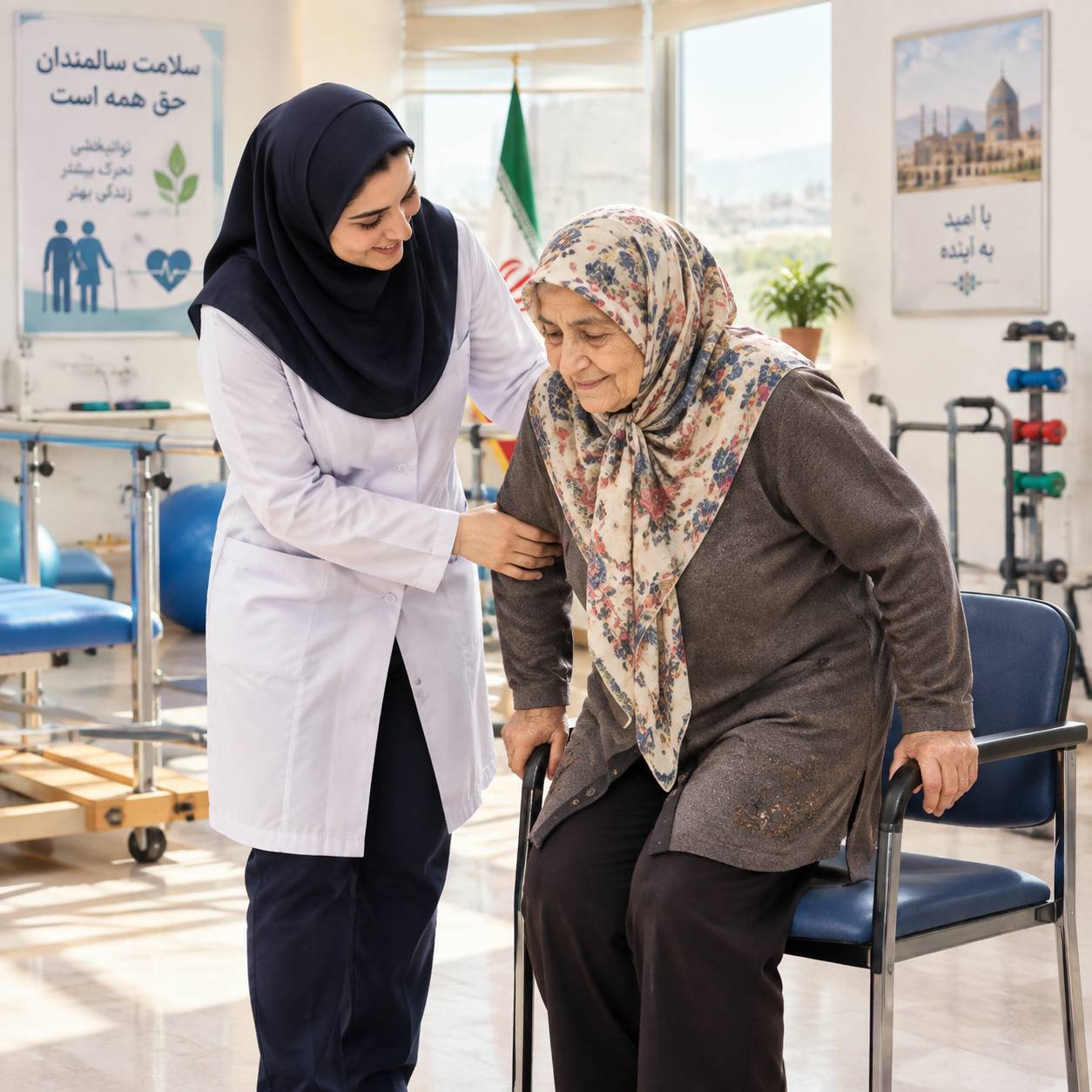
Muscle weakness should not simply be attributed to ageingSpeaking to Firouzabadi Hospital’s Public Relations Office, D.r Nik-Soult said changes in muscle strength and physical function in older adults should be taken seriously rather than automatically being attributed to age.Sarcopenia involves a decline in muscle strength and muscle mass and can have a significant impact on an older person’s ability to move safely and carry out everyday activities.“Muscles are essential not only for movement, but also for maintaining balance, walking safely and remaining independent in daily life,” D.r Nik-Soult said.Changes that may seem minor such as needing support to get up from a chair, finding stairs more difficult or noticing that walking has become slower can be important early signs of declining physical function and should be assessed appropriately.
Ageing is only one part of the pictureWhile ageing is an important risk factor for sarcopenia, a number of other factors can contribute to muscle loss and weakness.These include physical inactivity, inadequate nutrition particularly insufficient protein intake unintentional weight loss, chronic diseases and prolonged periods of hospitalisation.D.r Nik-Soult stressed that sarcopenia cannot be identified simply by looking at a person’s weight or appearance. Assessment focuses on muscle strength and physical performance, with healthcare professionals using measures such as walking speed, hand-grip strength and the ability to rise from a chair.These simple functional assessments can provide valuable insight into changes in muscle function and help identify older adults who may benefit from further evaluation.
Maintaining muscle strength can help preserve independenceEarly intervention is an important part of managing sarcopenia. D.r Nik-Soult highlighted muscle-strengthening and resistance exercises, undertaken with appropriate medical advice, alongside adequate nutrition and sufficient protein intake.Managing underlying health conditions and avoiding prolonged physical inactivity can also help older adults maintain their strength and functional ability.
When to seek medical adviceA noticeable decline in strength or mobility should not simply be accepted as an inevitable consequence of growing older.Older adults who develop increasing difficulty with movement, problems with balance, slower walking or recurrent falls should be assessed by a healthcare professional.For geriatric medicine, the focus extends beyond simply adding years to life. Maintaining mobility, independence and quality of life is an equally important part of healthy ageing.

comment