
Firouzabadi Hospital highlights the importance of rapid treatment for stroke and heart attack
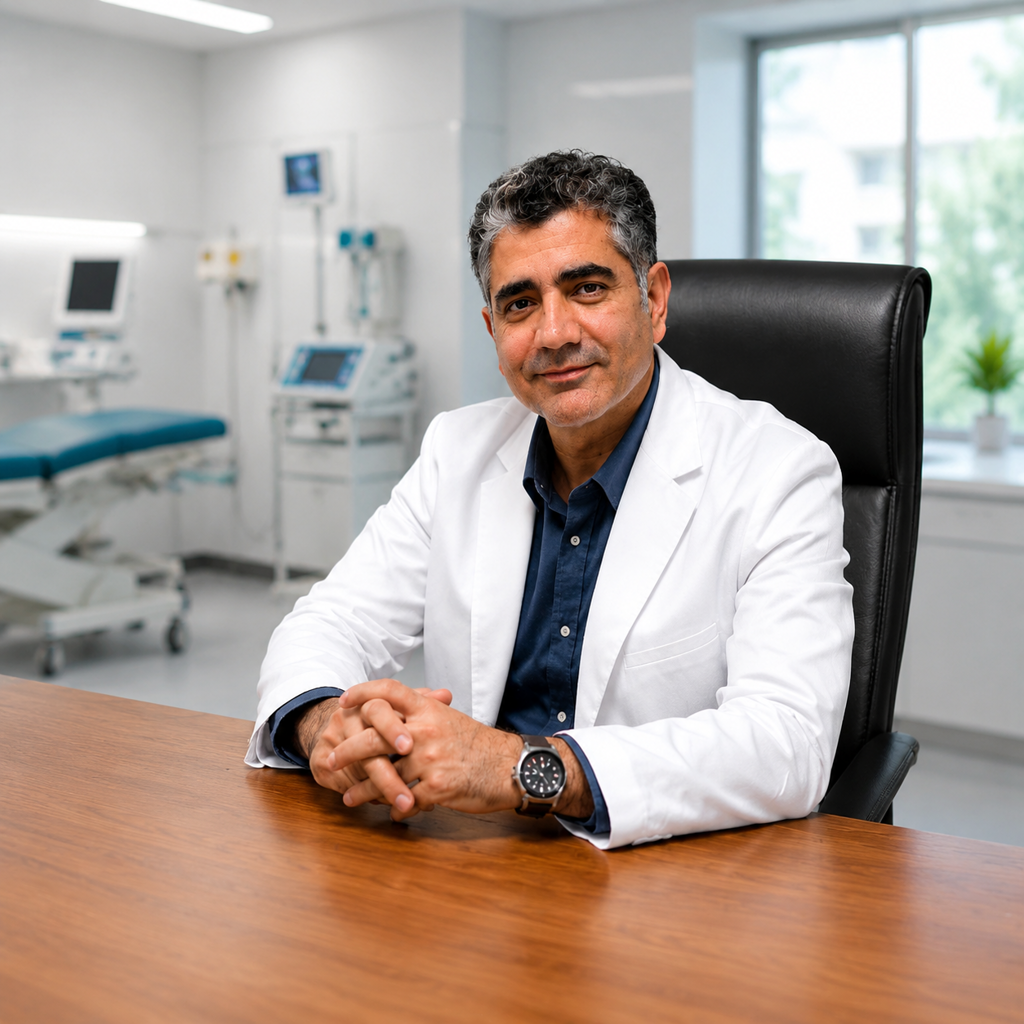
Rapid recognition and treatment are critical for patients experiencing a stroke or heart attack, says Dr Mojtaba Chahardouli, Head of Firouzabadi Hospital and an Emergency Medicine specialist.
Why every minute matters in stroke?A stroke occurs when the blood supply to part of the brain is suddenly interrupted. In an ischaemic stroke, the most common type, a blood clot blocks a blood vessel supplying the brain, depriving brain tissue of oxygen and nutrients.“Time is brain." Once blood flow to part of the brain is interrupted, brain cells can begin to suffer damage very quickly,” said Dr Chahardouli.Delays in treatment can increase the risk of permanent neurological damage and may affect a patient’s ability to return to independent living, potentially resulting in complications such as weakness or paralysis and difficulties with speech.A coordinated response through Code 724When a patient arrives at the emergency department with symptoms that may indicate a stroke, an immediate clinical assessment is carried out. This includes checking the patient’s level of consciousness, limb strength, speech, blood glucose, blood pressure and other vital signs.Code 724 is activated to coordinate the response of the emergency team with neurology, medical imaging, laboratory, pharmacy and other relevant services.One of the first priorities is rapid brain imaging. A CT scan helps clinicians determine whether the stroke is caused by a blocked blood vessel, known as an ischaemic stroke, or by bleeding in the brain, known as a haemorrhagic stroke. This distinction is essential because the two types of stroke require different treatment approaches.Dr Chahardouli said patients and their families should not wait to see whether symptoms improve on their own.“If a stroke is suspected, call emergency medical services immediately on 115 and clearly state that a stroke may be occurring,” he said.Recognising the signs of strokeStroke symptoms often appear suddenly. A simple way to recognise some of the most important warning signs is to check the face, arms and speech.Ask the person to smile and look for drooping or uneven movement on one side of the face. Ask them to raise both arms and check whether one arm becomes weaker or drifts down. Finally, ask them to repeat a simple sentence and listen for unclear speech or difficulty speaking.Other possible signs include sudden loss of balance, severe dizziness, difficulty walking, double vision, sudden loss or reduction of vision, numbness or weakness on one side of the body, and a severe headache.Even one of these symptoms, when it develops suddenly, should be treated as an emergency.Knowing when the symptoms startedThe time when stroke symptoms begin, or the last time the patient was known to be well, is important information for the medical team. It can help clinicians determine which treatment options may be appropriate.For example, if a person goes to sleep at 10pm while feeling well and wakes at 6am with weakness on one side of the body, 10pm is considered the last time they were known to be well. Further specialised imaging may provide additional information to guide treatment decisions.Dr Chahardouli advised families not to drive patients to hospital themselves. Ambulance transport is safer and allows emergency teams to receive information about the patient and prepare for their arrival.Patients should also not be given food, water, aspirin or other medication unless advised by medical professionals.Firouzabadi Hospital ready to respondFirouzabadi Hospital provides emergency assessment and treatment for patients with suspected stroke and heart attack 24 hours a day, seven days a week. Dr Chahardouli emphasised that public awareness is an important part of emergency care. Recognising the warning signs, recording when symptoms began and contacting emergency medical services without delay can help patients reach appropriate treatment as quickly as possible.

comment