
Healthy Ageing Is More Than the Absence of Disease.
Healthy ageing cannot be defined simply by the absence of illness. Maintaining functional ability, autonomy and quality of life are equally important, allowing older people to remain active and involved in their own lives despite the health conditions that may accompany ageing.
378365.mp3
Healthy Ageing Is More Than the Absence of Disease.
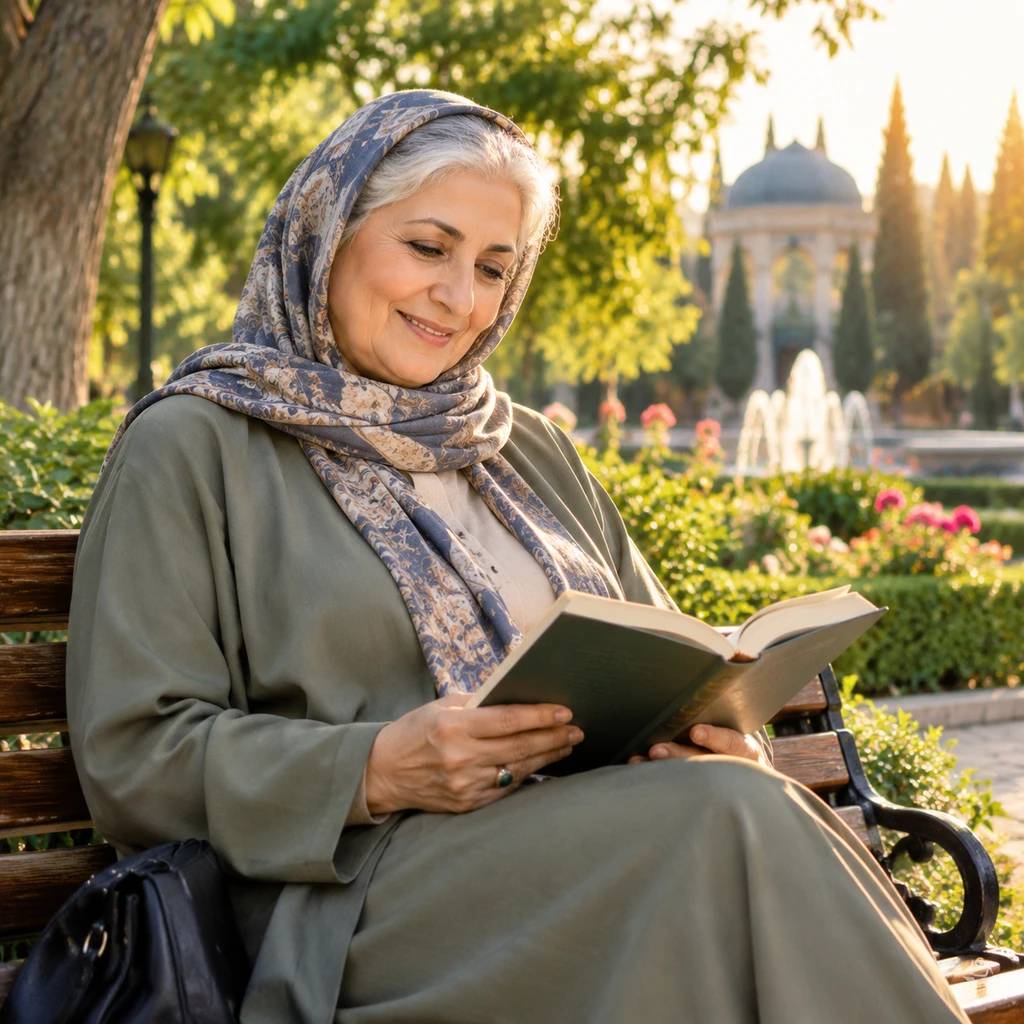
As the International Day of Older Persons is marked, specialists at Firouzabadi Hospital are calling for a broader understanding of healthy ageing one that looks beyond chronological age and the number of medical diagnoses to consider how well a person is able to function, make decisions and participate in everyday life.
Ageing is naturally accompanied by physiological changes and a greater likelihood of chronic conditions. However, the presence of conditions such as diabetes, hypertension or musculoskeletal problems does not necessarily mean that an older person will lose their independence or become socially withdrawn.
Looking beyond the diagnosis
D.r Maryam NikSoult, a geriatrician at Firouzabadi Hospital, said the common perception of a “healthy older person” as someone with no disease is neither realistic nor consistent with the principles of geriatric care.
“Many older adults live independently and maintain a good quality of life despite chronic conditions such as diabetes, hypertension or joint problems,” she said.“In geriatric assessment, we do not focus solely on the patient’s list of diagnoses. Physical function, cognitive abilities, medication use, nutritional status, sleep, mood, as well as the person’s living and social environment are also assessed. What matters is how health conditions affect everyday function and what can be done to preserve the person’s independence and ability to manage daily life.”This broader approach places functional ability at the centre of healthy ageing. Rather than focusing only on whether a disease is present, it considers what the individual can still do, what support may be required and how unnecessary dependence can be prevented.
Healthy ageing begins before later life
According to D.r NikSoult, maintaining health and function in older age is closely linked to habits established much earlier in life.Regular physical activity, a balanced diet, appropriate monitoring of blood pressure and blood glucose, avoiding tobacco, protecting hearing and vision, and maintaining cognitive activity can all contribute to reducing health risks and preserving functional capacity over time.Family support also has an important, but sometimes overlooked, role. D.r NikSoult cautioned that caring for an older person should not automatically mean taking over tasks they are still able to perform themselves.“Support should not be confused with restricting independence,” she said. “When families make decisions for older adults or remove opportunities for them to manage everyday activities, they may unintentionally reinforce a sense of dependence. Unless there is a clear safety concern, older people should be encouraged to make choices and remain involved in their daily affairs.”When the belief of incapacity becomes a barrier.
Sepideh Khasseh Tarash, a health psychology specialist at Firouzabadi Hospital, said that ageing should not be viewed solely through a medical or physical lens.“The way a person perceives the ageing process can influence their health and behaviour,” she said. “The belief that ageing inevitably means becoming incapable or withdrawing from life can reduce motivation and activity. In contrast, a sense of self-efficacy can help older adults maintain relationships and remain involved in decisions about their care.”Mental and physical health are closely interconnected in later life. Social isolation, loneliness, anxiety and depression can affect overall wellbeing and may contribute to difficulties with cognitive functioning and memory.Maintaining meaningful relationships, having a sense of purpose and continuing to participate in social activities can therefore be an important part of supporting healthy ageing.For families, communities and healthcare professionals, the focus of care should extend beyond managing disease. Providing appropriate support while preserving autonomy can help older adults remain active participants in their own care and everyday lives.
Healthy ageing, therefore, is not simply about adding years to life. It is about preserving function, dignity and independence for as long as possible while recognising that living with a health condition does not necessarily mean losing the ability to live well.
Niafam Copy:

comment